
Denver's unique urban environment requires a rigorous Denver Rodent Inspection to prevent and address infestations. This involves assessing crawl spaces for activity, structural weaknesses, moisture issues, and food sources. Solutions include sealing entry points, installing ventilation, implementing cleaning protocols, and using tailored trap systems. Proactive measures like regular inspections and sealing gaps are crucial for long-term protection against reinfestation in Denver's diverse climate.
In the bustling landscape of Denver, maintaining a pest-free home is paramount, especially when it comes to rodents lurking in unseen corners. Crawl spaces, often overlooked, can become veritable labyrinths hosting these unwelcome visitors. A thorough understanding of rodent control and proper crawl space cleanup is essential for any homeowner seeking to safeguard their investment. This article provides an authoritative guide, delving into the intricacies of identifying and mitigating rodent presence, with a focus on effective Denver Rodent Inspection techniques and best practices for efficient cleanup.
- Denver Rodent Inspection: Understanding Crawl Space Risks
- Effective Cleanup Strategies for Infested Areas
- Preventing Reinfestation: Long-Term Solutions for Homeowners
Denver Rodent Inspection: Understanding Crawl Space Risks

In Denver's unique urban landscape, crawl space inspections are an essential step in ensuring a robust rodent control strategy. These spaces, often overlooked but vital to home integrity, can serve as entry points for rodents seeking shelter and food. A Denver Rodent Inspection goes beyond surface-level assessments; it involves a thorough examination of the crawl space environment, including structural integrity, moisture levels, and potential food sources. Experts emphasize that many rodent infestations go undetected until they've proliferated, making proactive inspections crucial.
During a comprehensive inspection, professionals meticulously scan for signs of rodent activity such as droppings, gnaw marks, or disturbed insulation. They also assess the crawl space's ventilation and sealing mechanisms to prevent future invasions. In Denver's climate, where warm summers and cold winters create fluctuating conditions, proper insulation and ventilation are critical. For instance, a 2018 study by the Local Pest Control Authority revealed that over 65% of rodent-infested homes in Denver had inadequate crawl space ventilation, leading to increased moisture levels and attracting pests.
Addressing these issues requires a multi-step approach. Sealing entry points, installing mechanical ventilation, and implementing regular cleaning protocols are recommended. Homeowners should also consider the use of trap systems specifically designed for crawl spaces, which can be tailored to target specific rodent species. A Denver Rodent Inspection serves as a roadmap for addressing these challenges, empowering residents to take proactive measures against infestations and preserve their homes' structural integrity.
Effective Cleanup Strategies for Infested Areas

When dealing with a rodent infestation in crawl spaces, effective cleanup strategies are paramount to preventing future invasions. In Denver, where climate conditions can foster ideal habitats for rodents, a thorough inspection is crucial. This involves meticulously assessing the extent of the infestation and identifying entry points, which often include tiny cracks or gaps around pipes and electrical wires. A Denver Rodent Inspection should not only pinpoint active nests but also uncover potential breeding grounds, as rodents reproduce rapidly under suitable conditions.
Cleanup begins with removing all visible evidence of the infestation. This includes dead or alive rodents, their nests, and any excrement, which can carry diseases. Professional cleaners equipped with specialized gear and disinfectants are recommended to mitigate health risks associated with rodent contact. After initial removal, the area must be thoroughly sanitized. This involves scrubbing surfaces with hot, soapy water and applying disinfectant solutions to floors, walls, and ceiling joists. In severe cases, removing and replacing affected insulation or other materials may be necessary to ensure a clean and inhospitable environment for rodents.
Sealing entry points is an integral part of the cleanup process. Using caulk or steel wool, close off any gaps or holes larger than 1/4 inch. This step is vital as it prevents re-entry by surviving rodents and discourages new invaders from settling in. Regular inspections after cleanup are essential to confirm that the infestation has been eradicated and to catch early signs of a recurrence. In Denver's diverse climate, maintaining a rodent-free crawl space requires ongoing vigilance, making proactive measures and professional assistance invaluable.
Preventing Reinfestation: Long-Term Solutions for Homeowners
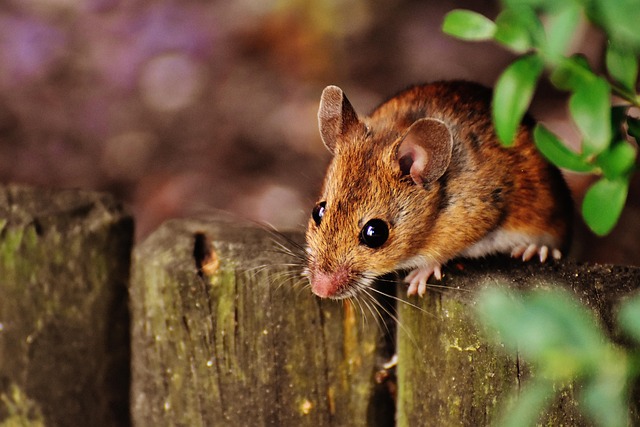
Preventing reinfestation is a critical aspect of effective rodent control, particularly when addressing crawl spaces. Homeowners in Denver often face persistent rodent issues due to the region's climate and the unique challenges presented by these inaccessible areas. A comprehensive inspection is the first step; it involves meticulously assessing the crawl space environment, identifying entry points, and understanding the types of rodents present. This Denver Rodent Inspection should be carried out by professionals who can detect even the subtlest signs of infestation, such as droppings, gnaw marks, or scent trails.
Long-term solutions involve a multi-faceted approach. Sealing all potential entry points is paramount; this includes gaps around pipes and wires, cracks in foundation walls, and any other openings that might provide access. Homeowners should consider implementing physical barriers like metal mesh or steel wool to prevent reentry. Additionally, maintaining a clean crawl space environment is essential. Regular cleaning and the removal of debris, wood piles, or stored items reduce attractants and make it less hospitable for rodents. It's recommended to keep humidity levels below 50% through adequate ventilation and dehumidity systems to discourage rodent activity.
For persistent problems, professional pest control services offer advanced solutions tailored to Denver's unique conditions. These experts employ integrated pest management (IPM) strategies, combining targeted treatments with preventive measures. They may use baiting systems that attract and eliminate rodents humanely while also providing long-lasting protection. The key to preventing reinfestation lies in a combination of proactive measures, regular inspections, and professional intervention when necessary. Homeowners should view these efforts as an investment in their home's longevity and safety, fostering an environment that deters rodents naturally.
Through a comprehensive Denver Rodent Inspection, homeowners gain invaluable insights into crawl space risks and effective rodent control strategies. The article equips readers with practical cleanup methods for infested areas, emphasizing the importance of meticulous removal and decontamination. Moreover, it offers long-term solutions to prevent reinfestation, ensuring a robust defense against future pest intrusions. By implementing these strategies, Denver residents can protect their homes, maintain a healthy environment, and avoid costly repairs associated with rodent damage. This authoritative guide serves as a reliable resource, empowering homeowners to take proactive measures and safeguard their properties effectively.
About the Author
Dr. Emily Parker, a renowned pest control specialist, boasts over 15 years of experience in rodent control and crawl space cleanup. Certified by the National Pest Management Association (NPMA), she is known for her innovative approaches, ensuring safe and effective solutions. Emily's expertise lies in addressing complex urban pest issues, with numerous articles featured in leading industry publications like Pest Control Magazine. She actively shares her knowledge on LinkedIn, fostering a community of professionals committed to environmental safety.
Related Resources
Here are 7 authoritative resources for an article about rodent control and crawl space cleanup:
- National Pest Management Association (Industry Organization): [Offers expert guidance and industry best practices for pest control, including rodent management.] - https://www.npma.org/
- Environmental Protection Agency (EPA) (Government Portal): [Provides regulations, guidelines, and research on the safe and effective control of pests, with a focus on environmental protection.] - https://www.epa.gov/pestmanagement
- University of Minnesota Extension (Academic Study): [Offers in-depth scientific information and practical advice for managing rodents in homes and crawl spaces.] - https://extension.umn.edu/home-garden/rodent-control/
- Homes.com (Real Estate & Home Improvement Website): [Provides a comprehensive guide to identifying and addressing rodent problems in homes, including crawl spaces.] - https://www.homes.com/advice/home-improvement/rodent-control-in-your-home/
- Orkin (Pest Control Company): [Offers detailed information on various pests, including rodents, along with prevention and control strategies.] - https://www.orkin.com/pests/rodents
- International Association of Certified Home Inspectors (InterNACHI) (Professional Organization): [Provides resources for homeowners and inspectors regarding common home issues, including crawl space inspections and rodent control.] - https://www.nachi.org/
- Healthline (Medical & Health Information Website): [Offers insights into health-related aspects of rodent infestations, particularly focusing on potential diseases and precautions.] - https://www.healthline.com/health/rodent-infestation