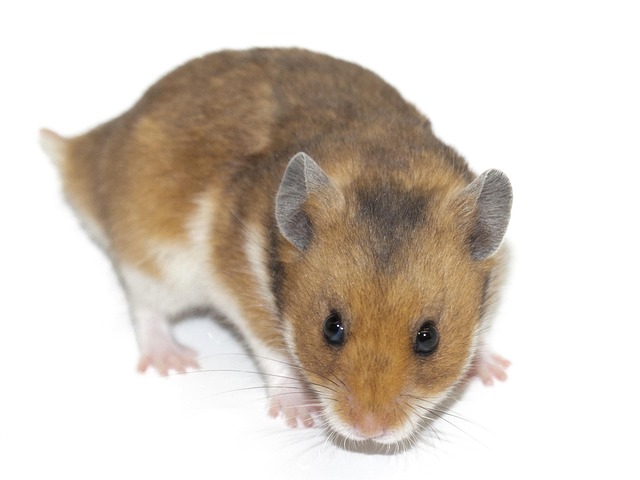
Denver Rodent Inspection: Eradicate Pests with Safe Trapping Guide
The Denver Rodent Inspection Approach combines scientific methods and integrated pest management to.......
Read more →
In the intricate web of urban infrastructure, few services are as critical yet often overlooked as rodent inspection. Denver, a bustling metropolis, is no exception. This article delves into the intricacies of Denver Rodent Inspection (DRI), exploring its purpose, evolution, and profound impact on the city's health, economy, and environment. By understanding DRI, we gain insights into an essential practice that shapes the quality of life for residents and visitors alike.
Definition: Denver Rodent Inspection is a comprehensive, systematic process involving the identification, assessment, and management of rodent populations within urban environments, particularly in the city of Denver, Colorado. It encompasses inspection, prevention, control, and eradication strategies to mitigate the negative effects of rodents on public health, property, and ecosystems.
Core Components:
Rodent Identification: Accurately identifying species, behavior patterns, and signs of infestation is crucial. Common Denver rodents include Norway rats, house mice, and ground squirrels.
Inspection: Inspections involve assessing buildings, infrastructure, and outdoor areas for evidence of rodent activity. Trained professionals use tools like cameras, traps, and scent detection dogs to locate nests and track movements.
Hazard Assessment: Evaluating potential health risks and property damage caused by rodents is a critical step. This includes identifying food sources, entry points, and conditions conducive to infestation.
Control Measures: Depending on the severity, methods range from traditional traps and poison baits to more modern options like sonic repellents and sterile insect release programs.
Eradication: For severe or hard-to-reach infestations, complete eradication is aimed at using safe, approved methods to eliminate rodents and prevent reintroduction.
Historical Context: Rodent control has been a concern since urban development began. Historical methods included manual trapping, poison, and even the use of cats. Modern DRI emerged as a structured approach in the late 20th century, driven by growing awareness of rodent-borne diseases and the need for environmentally conscious practices.
Significance: DRI plays a pivotal role in:
DRI is not limited to Denver; it has a global reach with varying trends:
Urbanization and Infestations: Rapid urbanization creates new challenges, with growing rodent populations in cities worldwide. This trend drives demand for efficient DRI services.
Resistance to Pesticides: Rodents' genetic adaptability leads to resistance against common pesticides, complicating control efforts globally.
Environmental Concerns: A shift towards environmentally friendly methods is evident, with many countries embracing non-lethal or integrated pest management (IPM) strategies.
Technology Integration: Global trends show an increasing adoption of technology, such as IoT sensors, drones, and AI-driven inspections for more efficient DRI practices.
Market Dynamics: The global rodent control market is substantial, projected to reach USD 27.4 billion by 2026, driven by growing urbanization and health concerns. Within this, the DRI segment focuses on specialized services tailored to urban environments.
Investment Patterns: Cities invest in DRI as a strategic initiative, recognizing its long-term benefits. Denver's commitment is evident through allocated budgets for pest management and public health programs.
Economic Impact: Effective DRI can:
| Factor | Impact |
|---|---|
| Reduced Property Damage | Saves on repairs and reconstruction costs. |
| Prevented Disease Outbreaks | Minimizes healthcare expenses and disease control measures. |
| Enhanced Urban Aesthetic | Improves property values and attracts businesses. |
| Tourism Boost | A healthy, safe city environment attracts visitors, fostering economic growth. |
Technological innovations significantly enhance DRI capabilities:
Scent Detection Dogs: Trained dogs can detect rodents by scent, providing early warning signs of infestations, especially in hard-to-reach areas.
Camera Traps: Remote cameras capture images and videos of rodents, offering valuable data for tracking population dynamics and identifying species.
IoT Sensors: Internet of Things (IoT) devices monitor environmental conditions, detect unusual activity, and provide real-time data for more precise control strategies.
Drone Surveillance: Drones equipped with cameras and sensors can access difficult-to-reach areas, providing comprehensive inspection coverage.
AI-Driven Analysis: Artificial Intelligence (AI) algorithms analyze collected data to predict infestation patterns, identify high-risk areas, and optimize control measures.
Local Regulations: Denver's Department of Public Health and Environment (DPE) enforces ordinances related to rodent control, including property maintenance standards and pest management practices. These regulations ensure compliance with DRI guidelines.
National Guidelines: The United States Environmental Protection Agency (EPA) provides national guidelines for rodent control, emphasizing safe, effective, and environmentally responsible methods.
International Standards: Organizations like the World Health Organization (WHO) offer recommendations for urban pest management, aligning with global best practices for DRI.
Despite its importance, DRI faces several challenges:
Resistance to Control Measures: Some communities or property owners resist traditional control methods due to concerns about toxicity or cost.
Unregulated Market: The lack of standardized pricing and service quality can lead to exploitation by unscrupulous operators.
Rapid Urban Development: Rapid growth often outpaces DRI infrastructure, leaving new areas vulnerable to infestations.
Proposed Solutions:
Public Awareness Campaigns: Educate residents on the importance of DRI, pest prevention, and safe control measures.
Stricter Regulatory Frameworks: Implement and enforce robust regulations with clear guidelines for service providers.
Integrated Pest Management (IPM): Promote IPM approaches that balance environmental, economic, and health considerations.
Technological Integration: Encourage the adoption of advanced technologies to enhance inspection efficiency and control effectiveness.
Challenge: A major downtown area in Denver faced a severe rodent infestation, with Norway rats burrowing into historic buildings, causing structural damage and attracting pests like cockroaches.
Solution: The city implemented a multi-phased DRI plan involving:
Outcome: After 18 months, the infestation was eradicated, leading to a significant decrease in property damage complaints and improvements in downtown aesthetics. The successful outcome demonstrated the effectiveness of a structured DRI approach.
Challenge: A suburban Denver community grappled with house mouse infestations, causing damage to homes and gardens. Traditional control methods were deemed too toxic for families and pets.
Solution: Local authorities partnered with IPM specialists to develop an eco-friendly strategy:
Outcome: The community saw a 75% reduction in mouse complaints within the first year, with no reported toxicity incidents. This case highlights the successful application of non-lethal, sustainable DRI practices.
The future of DRI is promising, shaped by:
Technological Advancements: AI, IoT, and drone technology will further enhance inspection efficiency and precision targeting.
Data-Driven Decisions: Big data analytics will enable predictive modeling for infestation hotspots, allowing proactive measures.
Community Engagement: Increasing public awareness and participation in DRI can lead to early detection and community-driven solutions.
Global Collaboration: Sharing best practices and research globally can drive innovative solutions to common challenges.
Denver Rodent Inspection is a critical component of urban infrastructure, balancing health, safety, and environmental considerations. Through understanding its core principles, global context, and evolving technologies, we appreciate the profound impact DRI has on Denver's quality of life. As cities continue to grow, effective and sustainable DRI practices will be essential in maintaining vibrant, healthy communities.
Why is rodent inspection important? Rodent inspection is vital for preventing health hazards, property damage, and environmental disruption caused by rodents. It ensures a safer, healthier urban environment.
How do I know if I have a rodent problem? Signs include unusual noises (scurrying, gnawing), droppings, chewed wires or materials, and strong odors. If suspected, professional inspection is recommended.
Are the methods used in DRI safe? Modern DRI practices prioritize safety, employing non-toxic baits, traps, and repellents when possible. Strict guidelines ensure minimal risk to humans and pets.
Can technology really improve rodent control? Absolutely! Technology like IoT sensors, drones, and AI can enhance inspection efficiency, target treatments precisely, and provide valuable data for better DRI practices.
What can I do to prevent rodents from entering my home? Seal entry points, keep food secure, maintain proper sanitation, and consider natural repellents or plants that deter rodents. Regular inspections are also crucial.